You see it often when pushing infrastructure through the river flats near the Murrumbidgee in Wagga Wagga: the ground turns from stiff clay to saturated silty sand without warning. A rail underpass near Bomen was almost redesigned on the spot when the TBM hit a pocket of loose alluvium at just eight metres depth. That is the reality of soft ground tunnelling in this region. The alluvial plains around Wagga Wagga, shaped by thousands of years of river meandering, hide old paleochannels and variable lenses that make standard desk studies nearly useless. Our geotechnical analysis for soft soil tunnels digs into that local complexity, combining detailed lab testing on undisturbed samples with in-situ data so the tunnel design actually reflects what is down there. When you need to control face stability and predict settlement under existing Wagga Wagga infrastructure, you start with a site characterisation that does not gloss over the tricky bits. This is where integrating CPT testing helps map the transition zones between cohesive and granular layers before the TBM ever arrives.
In Wagga Wagga's riverine alluvium, a 2-metre shift in tunnel alignment can mean the difference between stable clay and running sand that needs full face support.
Technical details of the service in Wagga Wagga
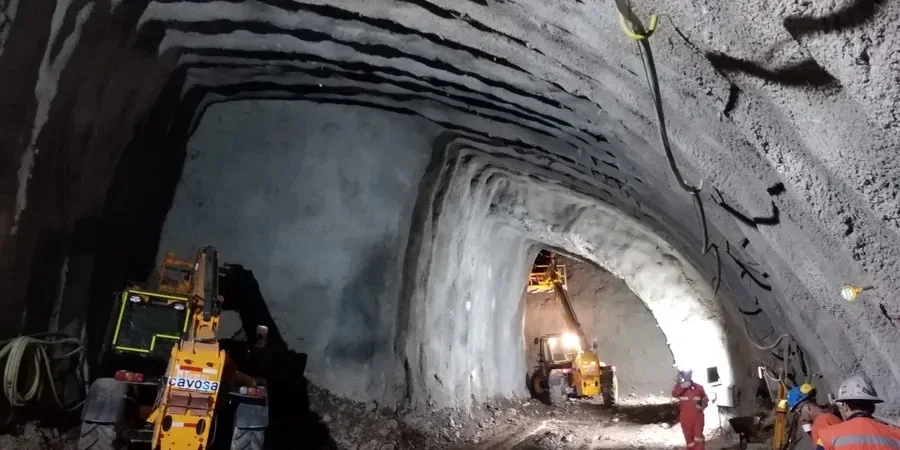
Field demonstration
Critical ground factors in Wagga Wagga
Wagga Wagga sits in a climate where winter fog can linger for days and summer storms dump 50 millimetres in an hour, but the real risk for soft ground tunnels hides in the pre-existing groundwater regime. The Murrumbidgee aquifer is highly responsive to rainfall upstream, and a rapid rise in pore pressure can turn a stable tunnel face into a flowing mess in less than a shift. We have seen contractor logs from Wagga Wagga projects where the face loss jumped from 0.3% to over 4% simply because the river level rose after a storm in the Snowy Mountains catchment, 200 kilometres away. That is why our geotechnical analysis for soft soil tunnels includes a thorough hydrogeological review, not just a one-off piezometer reading. We map the hydraulic connectivity between the tunnel horizon and the river, then recommend face pressure margins that account for seasonal peaks. If you ignore this in Wagga Wagga, you are gambling with surface settlements that can crack century-old brick buildings in the city centre.
Our services
The tunnel alignment through Wagga Wagga's variable ground demands a testing programme that connects the geology to the TBM operating parameters. We offer the lab and field data that EPB and slurry machine operators actually need.
Pre-construction soft ground characterisation
A complete package for Wagga Wagga tunnel projects covering borehole logging to AS 1726, undisturbed sampling of soft alluvial clays, triaxial testing (CIU and CAU), one-dimensional consolidation, and permeability testing. We deliver a ground model that maps the transition between the Wagga Wagga alluvium and the underlying bedrock, giving the TBM manufacturer the data needed to configure cutterhead torque and screw conveyor capacity.
TBM face stability and settlement analysis
Using the lab-derived strength and stiffness parameters, we calculate the required face support pressure for each chainage along the Wagga Wagga drive. The analysis accounts for the low effective stress conditions common in the Murrumbidgee floodplain and provides a settlement risk map that highlights sensitive receptors like the Main Southern Railway corridor and heritage-listed structures in the CBD.
Top questions
What makes the Wagga Wagga alluvium so tricky for soft ground tunnelling compared to other inland cities?
The Wagga Wagga alluvial sequence is unusually variable over short distances, a legacy of the Murrumbidgee's braided paleochannel system. You can encounter loose, clean sand lenses sandwiched between soft, high-plasticity clays within the same tunnel face. This demands a finer investigation grid than what works in more uniform geology, and it makes face support pressure management a much more dynamic task during the drive.
How do you determine the face support pressure for a TBM drive under existing Wagga Wagga buildings?
We start with the undrained shear strength and effective stress data from the site investigation, then apply limit equilibrium methods that factor in the very shallow groundwater typical of Wagga Wagga's riverine setting. The target is a pressure window that prevents blow-out in weaker zones while stopping face collapse in the granular pockets, all while keeping surface settlement within the serviceability limits of the structures above.
What budget range should I expect for a full geotechnical analysis for a soft soil tunnel in Wagga Wagga?
For a project in the Wagga Wagga region, the cost for a comprehensive soft ground tunnel geotechnical analysis typically falls between $6,060 and $25,260 AUD. The final figure depends on the length of the alignment, the number of boreholes and lab tests required, and whether specialised testing like stress-path triaxials or in-situ piezocone soundings are part of the scope.