The Murrumbidgee River carved a wide floodplain right through Wagga Wagga, leaving behind layered silts, clays, and loose sands that shift the moment you open a deep cut. We monitor that shift. Our lab team sets up inclinometers, piezometers, and vibration sensors around the excavation perimeter, feeding live data back to the slope stability analysis so no one gets caught off guard. When the cut goes below the water table—common near the river flats around North Wagga—pore pressure can spike fast, and that is where continuous deep excavations monitoring makes the difference between a controlled dig and a collapsed batter. We log everything against AS 1726:2017 and the earthworks provisions of AS 4678, because in a city that sees both drought-hardened clays and sudden inland downpours, the ground does not behave the same way twice.
In Wagga Wagga's alluvial clays and sands, we treat excavation monitoring like a live instrument—when pore pressure moves, you act, not wait for the weekly report.
Technical details of the service in Wagga Wagga
Critical ground factors in Wagga Wagga
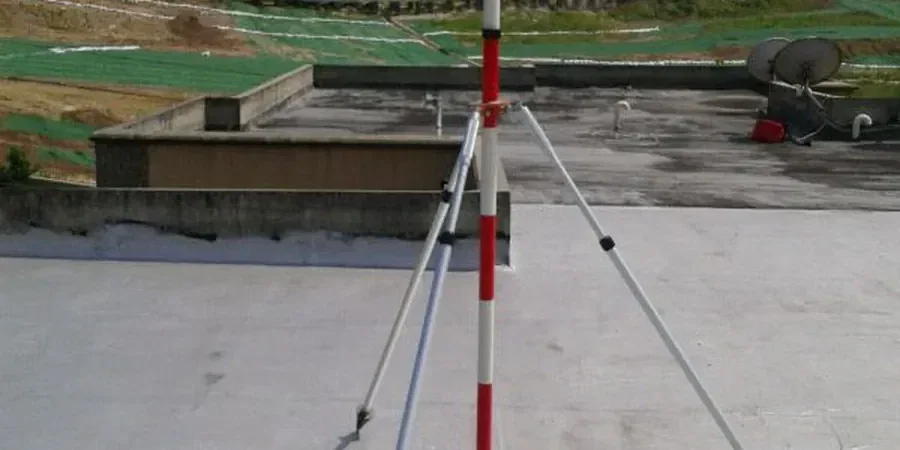
We use a string of in-place inclinometers lowered into a grouted PVC casing, running the full depth of the excavation plus a few metres into competent material. In Wagga Wagga's silty profiles, the trick is getting the borehole collar sealed above the water table before the Murrumbidgee seepage floods the annulus. Our drillers sink the casing through the weathered zone first, then advance in rock or stiff clay, so the instrument reads true deflection, not a bent casing from swelling ground. If the cut is near sensitive assets—say, a rail corridor or the levee bank—we add automated total stations that ping every 30 minutes. The combination of inclinometer data and surface prisms gives you a full deformation picture, and we cross-check it with retaining walls design assumptions to see whether the temporary support is working harder than the geotech model predicted.
Our services
Our Wagga Wagga excavation monitoring package covers the full lifecycle of the cut, from initial benchmark survey through to backfill verification. We tailor the instrumentation layout to your site geology and the surrounding built environment.
Deep Cut Instrumentation Plan
We design the monitoring array—inclinometers, piezometers, and settlement markers—based on the geotechnical model and the excavation staging sequence.
Vibration & Noise Compliance
Triaxial geophone monitoring for rock breaking or compaction near residences, with real-time SMS alerts if PPV thresholds are approached.
Pore Pressure Tracking
Continuous vibrating wire piezometer readings in the batters and floor, critical when excavating below the Murrumbidgee floodplain water table.
Daily Interpretation Reports
Morning bulletins comparing measured displacement against trigger levels, with clear go/no-go recommendations for the day's dig.
Top questions
When is excavation monitoring mandatory in Wagga Wagga?
Monitoring becomes mandatory under AS 4678 whenever the excavation exceeds 2 m depth and is near a public road, adjacent building, or infrastructure asset. In Wagga Wagga's CBD and along the Sturt Highway corridor, council typically requests an instrumentation plan as part of the development approval for cuts deeper than 3 m.
What instruments do you install for a typical deep excavation?
A standard array includes in-place inclinometers behind the cut face, vibrating wire piezometers to track groundwater pressure, and optical survey prisms on surrounding pavements. For sites in Turvey Park or near the hospital, we often add triaxial geophones to monitor vibration from rock hammers.
How much does excavation monitoring cost in Wagga Wagga?
For a typical residential or small commercial cut in Wagga Wagga, monitoring over a 3–4 week excavation phase usually runs between AU$1,300 and AU$3,500, depending on the number of instruments, depth of the cut, and how often we need to report. A larger basement dig with multiple inclinometer strings and daily reporting will sit at the upper end.
How quickly do you report if something moves?
We set amber and red trigger thresholds during the design phase. If an inclinometer or piezometer hits amber, the site supervisor gets a phone call within the hour. Red triggers generate an immediate stop-work recommendation with a follow-up email detailing the deflection rate and likely cause.