In Wagga Wagga, the integrity of any structure begins beneath the surface. Our foundations category covers the full spectrum of below-ground engineering required to safely transfer building loads to the earth. From initial site investigation and soil testing to the design and construction of footing systems, this discipline is the cornerstone of structural longevity. In a city experiencing steady residential growth and commercial expansion along the Murrumbidgee River corridor, understanding local ground behaviour is not an option but a fundamental necessity. A properly designed foundation mitigates the risks of differential settlement, cracking, and structural failure, protecting your investment for decades.
The regional geology of Wagga Wagga presents a unique set of challenges that demand specialised knowledge. Much of the city is underlain by expansive clay soils, particularly in suburbs like Estella and Boorooma, which are prone to significant volume changes with seasonal moisture fluctuations. These reactive soils can shrink during dry spells and swell after heavy rains, exerting immense pressure on conventional footings. Additionally, areas closer to the Murrumbidgee floodplain feature alluvial silts and sands with variable bearing capacity and a higher water table. A generic, one-size-fits-all approach to foundations is a liability here; local knowledge is critical to interpreting soil reactivity classifications and designing systems that accommodate ground movement without compromising structural integrity.
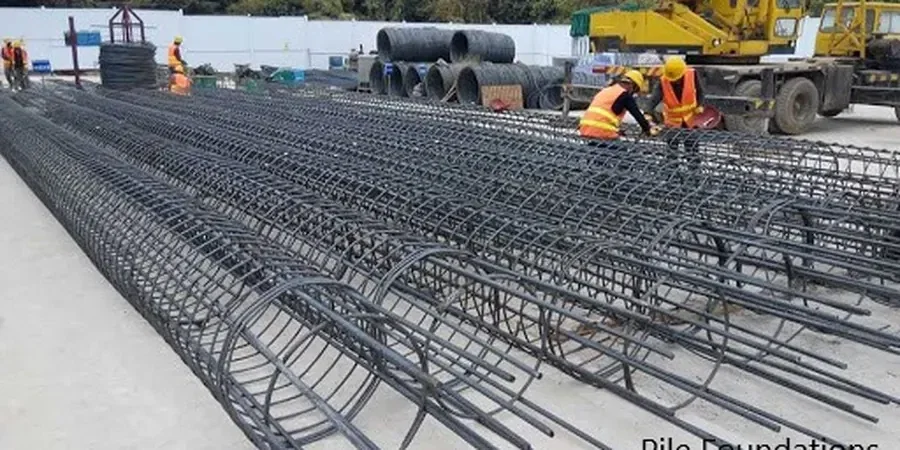
All foundation design and construction in Wagga Wagga must strictly adhere to the national standards set out in AS 2159 for piling and AS 2870 for residential slabs and footings. AS 2870 is the definitive code for classifying site soil reactivity and prescribing suitable footing systems, ranging from stiffened rafts to deep piles. For larger commercial or infrastructure projects, compliance with the National Construction Code (NCC) and relevant Australian Standards for concrete and steel is mandatory. Council approval processes also require detailed geotechnical reports and structural engineer certifications to ensure the proposed foundation system is fit for the specific site conditions, particularly on Class H, E, or P problem sites which are common across the region.
The types of projects that demand expert foundation activities in Wagga Wagga are diverse. New residential builds on the city's expanding fringes frequently require engineered pile foundation design to cut through reactive top layers and bear onto stable material. Medium-density townhouse developments and apartment blocks in areas like Turvey Park rely on advanced footing systems to manage heavier loads. Commercial warehouses, agricultural sheds, and even light industrial facilities along the Bomen axis need durable, high-capacity foundations to support racking systems and heavy machinery. Furthermore, remedial underpinning of older homes suffering from cracking due to clay heave is a common request, requiring delicate surgical intervention to restore stability. Each project, whether a new build or a rectification, begins with a thorough understanding of the site's unique geotechnical profile.
Available services
Questions and answers
Why are soil tests absolutely essential before designing foundations in Wagga Wagga?
Soil tests are mandatory to classify the site's reactivity according to AS 2870. In Wagga Wagga, widespread expansive clays can cause severe ground movement. A geotechnical investigation determines the soil's bearing capacity and reactivity class, allowing engineers to design a footing system that resists cracking and differential settlement, which is far cheaper than later structural remediation.
What is the main difference between a raft slab and a deep pile foundation system?
A raft slab is a stiffened, monolithic concrete platform designed to float on reactive soils as a unit, suitable for moderately reactive sites. Deep pile foundations, required for highly reactive or filled sites, transfer structural loads past the unstable surface layer to a deeper, stable stratum like bedrock or dense sand, providing a fixed, unmoving anchor point.
How do local council regulations affect my foundation design in Wagga Wagga?
Wagga Wagga City Council requires a Development Application that includes structural drawings and a geotechnical report certified by a professional engineer. The design must strictly comply with the NCC and Australian Standards, particularly AS 2870 for residential work. Council engineers review the submission to ensure the proposed foundation system is appropriate for the classified soil conditions on your block.
What are the warning signs that an existing house in Wagga Wagga has a foundation problem?
Key indicators include doors and windows that stick or jam, visible cracks in internal plasterboard or external brickwork wider than 5mm, and noticeably uneven or sloping floors. In Wagga Wagga's reactive clay zones, these symptoms often point to differential footing movement caused by soil moisture changes, often requiring a professional assessment for underpinning or drainage correction.